
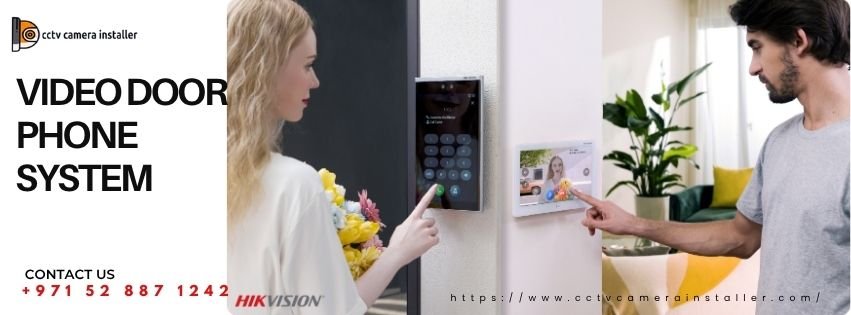
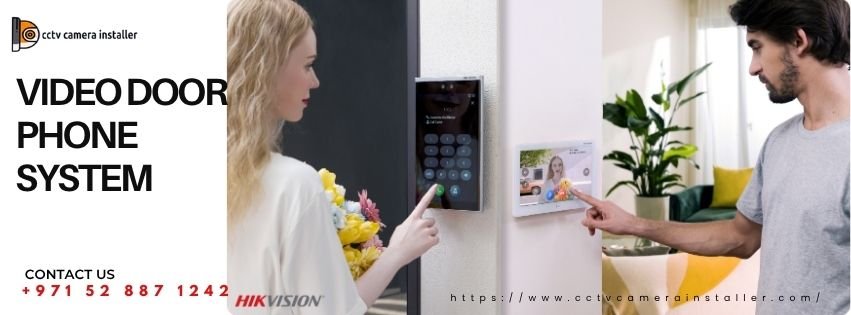
Video door phone system
A video door phone system is an advanced security solution that enables two-way audio and video communication between individuals inside a property and visitors at the entrance. This system typically consists of an outdoor unit with a camera, microphone, and speaker, as well as an indoor monitor or control panel for viewing and interacting with visitors. Modern video door phone systems often include features such as high-definition video, night vision, motion detection, and smartphone integration for remote access. By enhancing convenience and security, these systems are widely used in residential, commercial, and industrial settings to manage access and monitor entry points effectively.
The Importance of Video Door Phone Systems in Modern Security
Security is a paramount concern for homeowners and business owners alike. The rise in crime rates and the increasing need for safety measures have led to the widespread adoption of advanced security solutions. A video door phone system is one such solution that not only provides security but also enhances the convenience of managing visitors.
Enhanced Security Features
A video door phone system offers several security features that make it an invaluable addition to any property:
Real-Time Monitoring: With a video door phone system, users can see who is at their door in real-time. This allows them to assess the situation before deciding to open the door, significantly reducing the risk of unauthorized access.
Two-Way Communication: The ability to communicate with visitors via audio provides an added layer of security. Users can inquire about the visitor’s identity or purpose without needing to physically open the door.
Remote Access: Many modern video door phone systems come with smartphone integration, allowing users to monitor their property from anywhere. This means that even when they are away, they can still see and interact with visitors.
Motion Detection Alerts: Advanced systems are equipped with motion sensors that trigger alerts when someone approaches the door. This feature can help deter potential intruders and keep homeowners informed about any unusual activity.
Recording Capabilities: Some video door phone systems allow for video recording, providing users with a history of who visited their property. This can be crucial for security investigations or insurance claims.
Convenience and Ease of Use
Beyond security, a video door phone system enhances the overall convenience of managing access to a property:
Screening Visitors: Users can screen visitors without having to physically approach the door. This is especially beneficial for those who may feel uncomfortable answering the door to strangers.
Package Deliveries: With the rise of online shopping, package deliveries have become a common occurrence. A video door phone system allows users to communicate with delivery personnel, ensuring that packages are left in a safe location.
Integration with Smart Home Systems: Many video door phone systems can be integrated with other smart home devices, such as smart locks and security cameras. This creates a comprehensive security network that can be managed from a single interface.
User-Friendly Interfaces: Modern systems are designed with user-friendly interfaces that make it easy to navigate features and settings. Touchscreen monitors and mobile apps simplify the user experience.
Applications in Various Settings
Video door phone systems are versatile and can be applied in various settings:
Residential Properties: Homeowners use video door phone systems to enhance security and manage visitor access. Families with children or elderly members find these systems particularly beneficial for safety.
Commercial Properties: Businesses use video door phone systems to control access to their premises, ensuring that only authorized individuals enter. This is especially important for offices, retail stores, and warehouses.
Industrial Facilities: In industrial settings, video door phone systems help monitor entry points and ensure the safety of employees. They can also be integrated with existing security systems for comprehensive monitoring.
Key Components of a Video Door Phone System
To better understand how a video door phone system operates, let’s take a closer look at its key components:
1. Outdoor Unit
The outdoor unit is the first point of contact for visitors. It typically includes:
- Camera: A high-definition camera captures clear images or videos of visitors. Many models offer wide-angle lenses, allowing users to see more than just the immediate area in front of the door.
- Microphone and Speaker: These components enable two-way audio communication, allowing users to speak with visitors without opening the door.
- Illumination Features: Some outdoor units are equipped with built-in lights that enhance visibility during nighttime, ensuring clear video capture.
- Weatherproof Housing: The outdoor unit is designed to withstand various weather conditions, ensuring durability and functionality throughout the year.
2. Indoor Monitor
The indoor monitor is where users interact with the video door phone system. Key features include:
- Display Screen: The monitor displays real-time video feeds, allowing users to view who is at the door. Screens vary in size and resolution, with some offering touch functionality for ease of use.
- Control Interface: Users can control various functions, such as unlocking the door or adjusting audio levels, directly from the monitor.
- Recording Capability: Many systems allow users to record video footage of visitors, which can be useful for security and verification purposes.
3. Mobile App Integration
Modern video door phone systems often come with a mobile app that enhances user experience by providing:
- Remote Monitoring: Users can view live feeds and communicate with visitors from anywhere using their smartphones, adding a layer of convenience.
- Push Notifications: Instant alerts are sent to users when someone is at the door, ensuring they never miss a visitor, even when they are not home.
- Cloud Storage Options: Some systems offer cloud storage for recorded footage, allowing users to access their video history from any location.
Features to Look for in a Video Door Phone System
When choosing a video door phone system, consider the following features to ensure you select the best option for your needs:
1. Video Quality
The quality of the video feed is crucial for effective monitoring. Look for systems that offer at least 1080p resolution, as higher resolutions provide clearer images and better detail.
2. Audio Quality
Two-way audio communication is a key feature of video door phone systems. Ensure the system has high-quality microphones and speakers for clear conversations. Noise cancellation features can enhance audio quality, reducing background noise during interactions.
3. Connectivity Options
Consider how the video door phone system connects to your home network. Many systems use Wi-Fi, while others may require wired connections. Ensure compatibility with your existing network setup and check for any potential connectivity issues.
4. Night Vision
Night vision capabilities allow the camera to capture clear images in low-light conditions. This feature is crucial for ensuring that users can identify visitors at any time of day, providing peace of mind during nighttime hours.
5. Motion Detection
Many video door phone systems are equipped with motion sensors that alert users when someone approaches the door. This feature can be particularly useful for detecting potential intruders or monitoring deliveries.
6. User-Friendly Interface
A user-friendly interface is essential for ease of use. Look for systems with intuitive controls, touchscreen displays, and mobile app compatibility to simplify the user experience.
Installation and Maintenance of Video Door Phone Systems
Installation Process
Installing a video door phone system can vary depending on the model and type. Here are general steps to follow:
- Choose the Location: Select a suitable location for the outdoor unit, ensuring it has a clear view of the entryway and is easily accessible for visitors.
- Mount the Outdoor Unit: Follow the manufacturer’s instructions to securely mount the outdoor unit. Ensure it is at an appropriate height for optimal visibility and accessibility.
- Install the Indoor Monitor: Place the indoor monitor in a convenient location, such as near the main entrance or living area, where it can be easily accessed.
- Connect to Power and Network: Ensure both units are powered and connected to your home network, following the specific guidelines provided by the manufacturer.
- Test the System: Once installed, test the system to ensure that both audio and video functions work correctly. Check the clarity of the video feed and the quality of the audio.
Maintenance Tips
Regular maintenance of a video door phone system can extend its lifespan and ensure optimal performance:
- Clean the Camera Lens: Regularly wipe the camera lens to remove dust and debris, ensuring clear video quality. This is especially important in outdoor units that are exposed to the elements.
- Update Software: Keep the system’s software updated to benefit from the latest features and security enhancements. Many systems offer automatic updates, but manual checks are also advisable.
- Check Connections: Periodically check all connections to ensure they are secure and functioning properly. Loose connections can lead to performance issues or loss of functionality.
- Inspect for Damage: Regularly inspect the outdoor unit for any signs of damage or wear, especially after severe weather. Address any issues promptly to maintain security.
The Future of Video Door Phone Systems
As technology continues to advance, the future of video door phone systems looks promising. Here are some trends to watch:
1. Artificial Intelligence Integration
AI technology is being integrated into video door phone systems to enhance functionalities such as facial recognition and visitor identification. This can provide an additional layer of security by alerting users to unfamiliar faces and potentially identifying known visitors.
2. Increased Connectivity
As smart home technology evolves, video door phone systems will likely offer even greater connectivity with other devices. Integration with smart locks, security cameras, and home automation systems will create a seamless user experience, allowing users to manage multiple security aspects from a single platform.
3. Improved User Interfaces
Future video door phone systems will likely feature enhanced user interfaces, making it easier for users to navigate settings and access features. Touchscreen displays and voice control functionalities may become standard, improving accessibility for all users.
4. Cloud Storage Solutions
Many systems are moving towards cloud-based storage for recorded footage. This offers users the ability to access their video history from anywhere, providing greater flexibility and security. Cloud storage can also alleviate concerns about local storage limitations.
5. Sustainability Features
As environmental concerns grow, manufacturers may focus on creating more energy-efficient video door phone systems. Solar-powered options or systems that minimize energy consumption could become more prevalent, aligning with global sustainability goals.
6. Enhanced Data Security
With the rise of smart devices, data security is becoming increasingly important. Future video door phone systems will likely incorporate advanced encryption methods and security protocols to protect user data and prevent unauthorized access.